Trigger Finger Release Surgery in Calgary
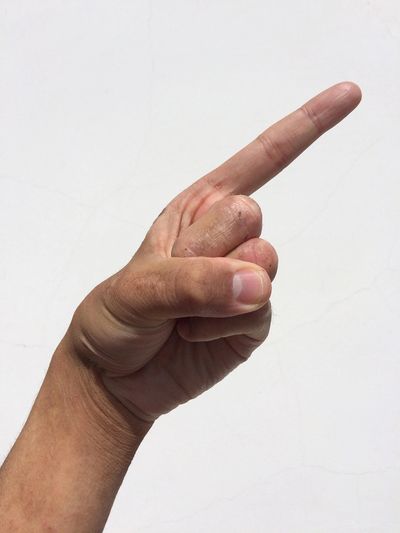
If your finger or thumb catches, snaps, or gets stuck when you try to move it, you may be experiencing a common condition known as trigger finger. While it can be frustrating and painful, modern medical advancements mean you don’t have to live with the discomfort. Trigger finger release surgery is a highly effective, routine procedure designed to restore full movement to your hand.
At Private Hand Surgery, we specialize in providing rapid, expert care tailored to your specific needs. Our goal is to help you return to your daily activities without the hindrance of a locked finger.
What is Trigger Finger?
Trigger finger is a condition officially known as stenosing tenosynovitis. It occurs when the flexor tendons, which control the movement of your finger or thumb, become irritated. These tendons usually move freely through a tunnel called the tendon sheath. However, if the sheath becomes inflamed or a nodule forms on the tendon, it can no longer bend and straighten smoothly.
When the tendon to move becomes restricted, the finger may catch or snap. In more severe cases, the finger may become locked in a bent position, requiring the other hand to pull it straight. This condition often stems from repetitive gripping, though it is also linked to health issues like diabetes or rheumatoid arthritis.
Common Symptoms of Trigger Finger
Recognizing the early signs can help you seek treatment before the condition worsens. Typical symptoms of trigger finger include:
- A painful clicking or snapping sensation when moving the finger.
- Tenderness or a small bump at the base of the affected digits.
- Stiffness, particularly in the morning.
- Finger clicking or locking that becomes more frequent over time.
Non-Surgical Treatment Options
Before recommending trigger finger surgery, our specialists often explore conservative trigger finger treatment methods. For many patients, the initial discomfort can be managed by reducing inflammation. This might involve taking anti-inflammatory medication or wearing a splint at night to keep the finger in a neutral position.
In some cases, a steroid injection into the sheath can help the tendon to glide more easily by reducing swelling. However, these solutions are not always a long-term fix. If the finger continues to catch or remains stuck, a more permanent solution is required to prevent permanent joint stiffness.
The Benefits of Trigger Finger Release Surgery
When non-invasive methods fail, locked finger treatment through surgery is the gold standard. The procedure is straightforward and usually performed under local anesthetic. The hand surgeon trigger finger specialist makes a small incision in the palm to reach the band of tissue that is constricting the tendon.
By releasing this tight section of the sheath, the surgeon creates more space for the tendon. This allows the finger to move through its full range of motion immediately. Because the blockage is physically removed, the success rate for this procedure is incredibly high, providing lasting relief from the pain of stenosing tenosynovitis.
Why Choose Private Hand Surgery?
Opting for Private Hand Surgery ensures you receive the highest level of personalized care without the long wait times often found elsewhere. We understand that your hands are vital to your livelihood and quality of life. Our facility offers:
- Expert Surgeons: Specialized consultants who focus exclusively on hand and wrist health.
- Rapid Recovery: Minimal wait times for consultations and procedures.
- Comprehensive Aftercare: Direct access to your surgical team throughout your healing journey.
Recovery and Aftercare
The recovery process after a finger release is generally quick. Most patients can move their fingers immediately after the operation. While some mild soreness and swelling are normal, these usually subside within a few days. You will be encouraged to perform gentle exercises to ensure the tendon remains mobile during the healing process.
In some instances, a short course of physical therapy may be recommended to regain full strength. Most people return to light activities within a week, though heavy lifting should be avoided for a few weeks. By choosing a private route, you ensure that your rehabilitation is monitored closely by experts who prioritize your fast return to work and hobbies.
If you are tired of dealing with a painful, snapping finger, it is time to seek professional help. A simple procedure can provide the permanent relief you need to use your hands with ease once again.